


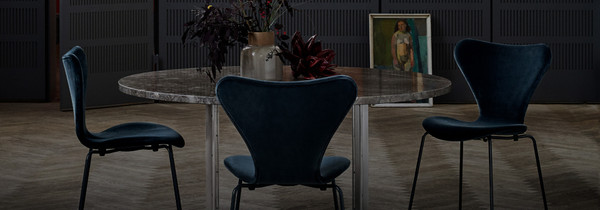



The Dark Arts: How to Style Dark Wood
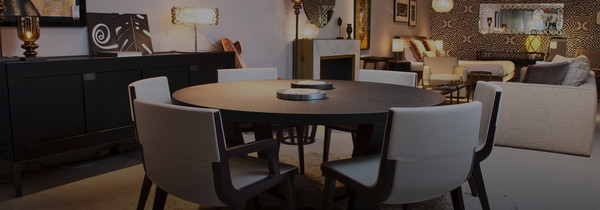
Light-toned timber furniture began dominating in the Scandi-led early 2000s, and ever since, many of us have become dedicated to pale woods throughout the home in a bid to keep it feeling contemporary and coordinated. But there’s no denying the power and gravitas a modern piece of designer furniture in a rich, deep timber carries. And therein lies the question – do we have to choose between the two shades?
The two timber tones are not at odds with each other – they can and very much should coexist in one space, as should a great many more opposing materials. When placed together, a combination of lightness and darkness turns rooms from one-note to striking and layered.
Tria Lounge Chair by GUBI
Tonally contrasting objects flip a space from flat to forward-thinking, lending it the authentic feel of being carefully built up over time. Representing one extreme of the tonal scale, dark wood furniture brings drama and intensity, while pale wood bounces light and is softer.
Ready Dining Chairs by Audo
Ita Bench by &Tradition
Standard Dining Chairs by Vitra
CH24 Dining Chair by Carl Hansen
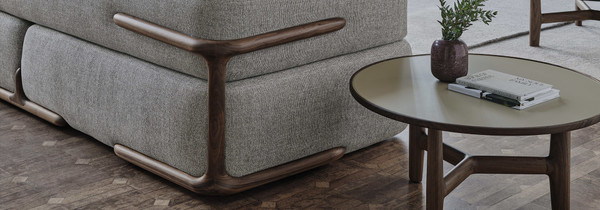
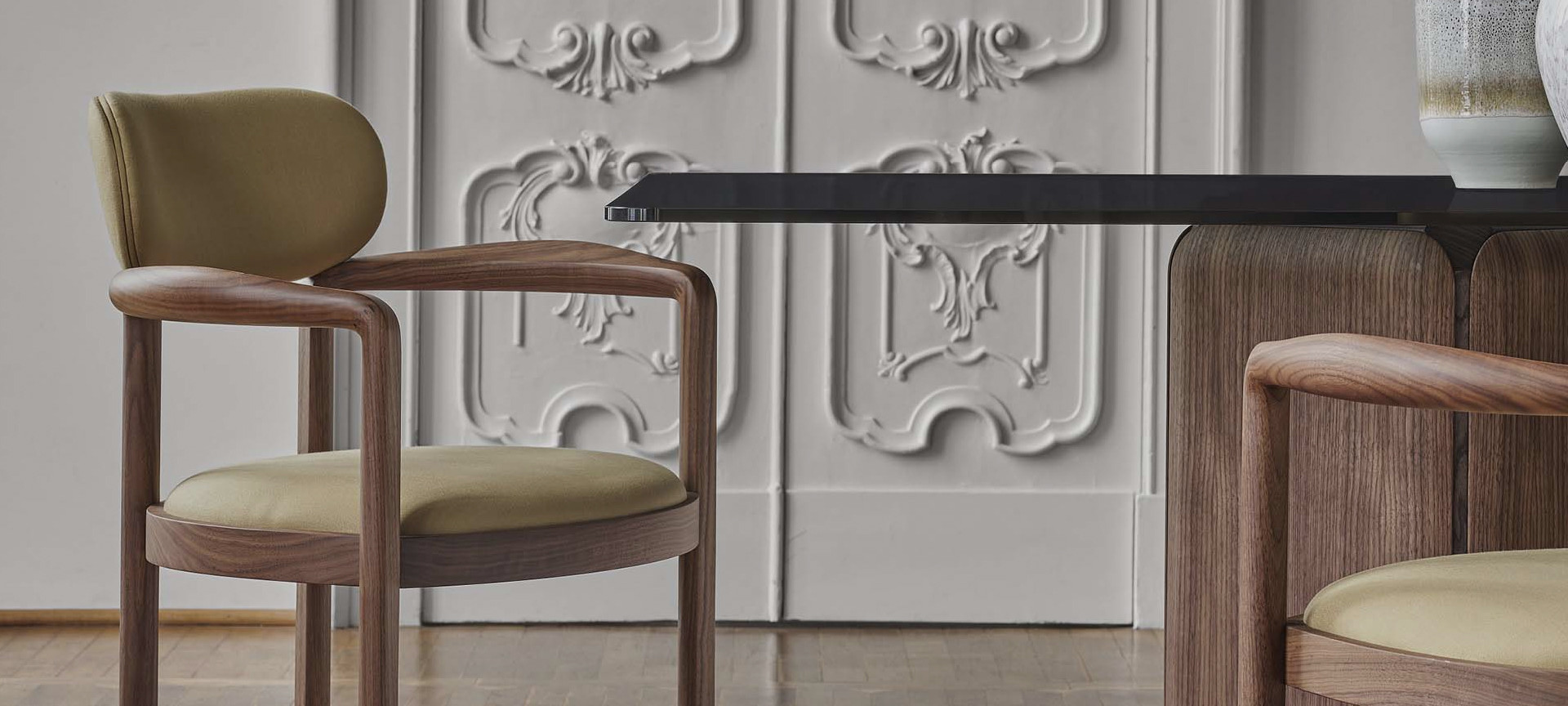
To dial up juxtaposition with walnut, smoked oak or teak, think about how different textures and finishes read against the shadowy timber. Stone brings coolness and a sense of age to temper the timber’s density, metal introduces industrial edge and sharpens the wood’s depth, heavy boucle highlights the surface’s chocolatey smoothness, while a high gloss lacquer makes it feel more rustic.
Scott Wood Dining Chair by Cattelan Italia
Infinity Dining Table by Porada
Monk Chair by Molteni&C
Adding dark timber into your decorative palette opens your mind to the beauty of opposites working together, and the joy of visual tension. Alone, it signals permanence and maturity, but as part of a curated collection? It balances and grounds paler elements, conjuring an interest-filled interior that embraces the full spectrum of shades and turns contrast into character.
Radiofonografo Sound System by Brionvega
Ren Collection by Poltrona Frau
NINE Chest of Drawers by LEMA
Xilos Marble Dining Table by Maxalto