








Leather vs Fabric: The Pros and Cons Designers Consider
It’s furniture finishing factor decision time. You’ve chosen the brand. You’ve chosen the style. Now, you have to choose the upholstery, and with that there’s really only one question – will it be supple, indulgent leather or tactile, expressive fabric? There are a lot of elements to consider… Here’s what to think about.
Cassina Maralunga Sofa
Style
Leather is timeless and inexorably linked to the idea of luxury. Its smooth surface, slight sheen and generally neutral palette make it both striking and subtle within most schemes. Fabric brings a wide range of colours, patterns and textures with almost limitless fibres, weaves and finishes to pick from, so its aesthetic is up to you.
De Sede DS-707 Canada Armchair
Beetle DIning Chair by Gubi
Comfort
Fabric is soft and warm to the touch, making it cosy and inviting, its flexibility working well with cushioning to add to a comfy sensation. Leather can initially feel cool and firm, but becomes supple with use, eventually leading to that famous stroke-me-stroke-me buttery feel.
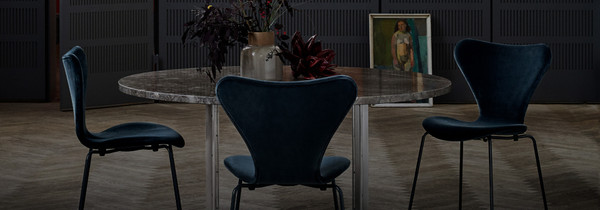
Series 7 Chairs by Fritz Hansen
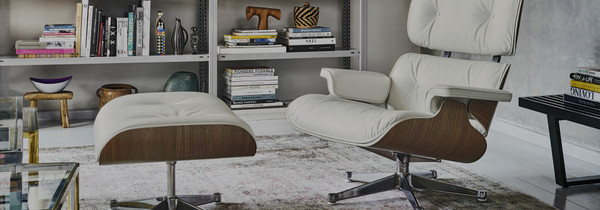
Eames Lounge Chair by Vitra
Durablity
Highly resistant to tearing, leather is extremely hard-wearing, eventually developing a rich patina as it softens, darkens, or acquires subtle marks – which many consider part of its character. Fabric can wear faster especially in high-use areas, although contemporary performance fabrics are becoming tougher.
Archibald Collection by Poltrona Frau
Talamo Bed by Zanotta
Ethics
Fabric can be natural, synthetic, blended or reused; organic fabrics are renewable but can have heavy water or pesticide footprints, while synthetics can be recycled but rely on petroleum. Leather is animal-derived, with tanning impacts – but its durability means fewer replacements, and responsibly sourced and vegetable-tanned options offer greater sustainability.
Additionally, for the environmentally conscious mind, brands like Audo Copenhagen follow a strict set of 9 rules dubbed their "responsibility criteria." A code of ethics that has been designed to ensure the entire organisation remains as eco-friendly as possible while formulating some of Scandinavia's most beautiful furniture.
Spanish Chair by Fredericia
Elizabeth Lounge Chair by Audo
Maintenance
Its sleek surface easy to wipe clean and less likely to trap dust or pet hair, leather also repels odours. Fabric can stain more easily and require professional cleaning, but unlike leather, many fabric designs now offer removable covers for easy washing and swapping.
Greta Chair by Cattelan Italia
Lia Chair by Molteni & C
Inland Collection by &Tradition