





Why your rug might be making your room look smaller
Think a rug is just a finishing touch or something soft for your feet to enjoy? Nope! Of course, they’re great for cosiness, but design-wise they also hold a huge amount of power – underestimate them at your (aesthetic) peril. A rug should ground furniture and open up a room, but a handful of easy-to-make mistakes can have the opposite effect. The good news? We've put together a short buyer's checklist for those on the hunt for their next rug. A floor furniture failsafe if you will.
So roll out the red (or whatever your preferred choice) carpet and get set for interior design's most underestimated undertaking
Naidu Rug by GAN
Size matters
The cardinal sin is underestimating the amount of space your new rug is going to cover. DO NOT invest in one that could be mistaken for a doormat, or that’s playing hide and seek under a coffee table, or timidly hovering in the middle of the floor. A good rule of thumb when rug shopping is to always buy the largest the area can hold. It opens up the space, unifies furniture, creates a dedicated plush-and-comfy-zone, and feels generous and luxurious.
Rigadino Rug by Cassina
Wave Rug by Verpan
The perfect place
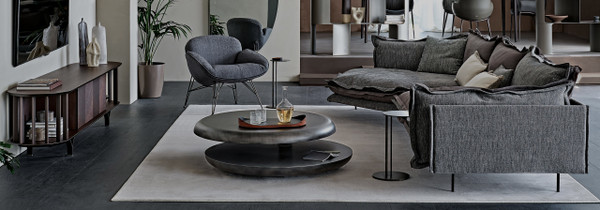
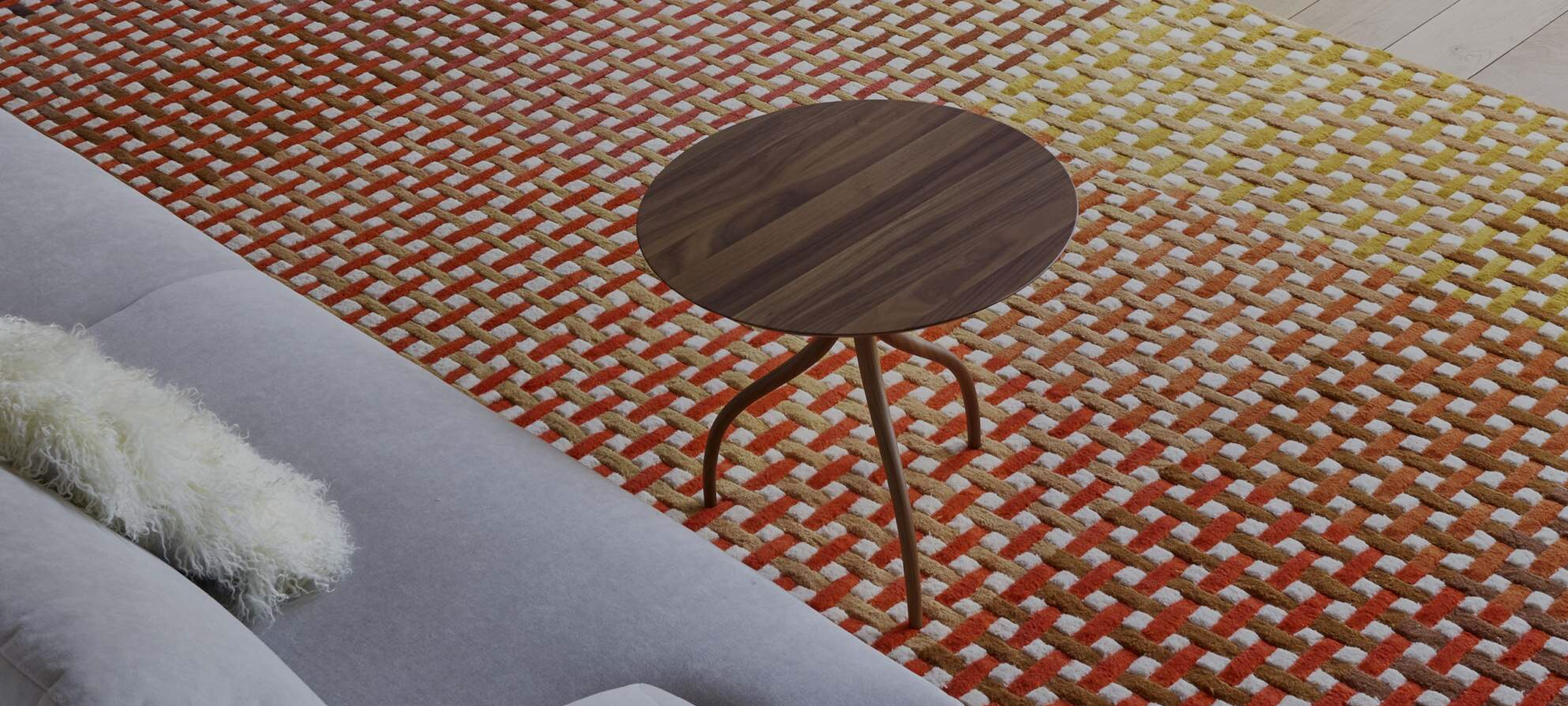
Rugs have to interact with other pieces in the room for it to click together – and that means getting involved with legs. If surrounding furniture legs don’t sit comfortably on the rug, the layout instantly reads as disjointed and small. Ensure at least the front of pieces perch on the edge of the rug and zip! The seating area is instantly pulled together.
Istos Rug by B&B Italia
Fenris Rug by Fabula Living
Houkime Rug by Audo
Visual overload
Dark tones absorb light and make the floor feel heavy, while busy or oversized motifs can dominate a space, making the room appear chopped into sections and visually shrinking it. Stick to paler or mid-tones to bounce light and make the floor seem more expansive, and subtler patterns to add interest without overstimulating.
Cruise Rug by &Tradition
Merino Rug by CS Rugs
Gavrinis by LIgne Roset
The world at your feet
Rugs are nothing if not versatile. Many of our leading brands, like CS Rugs and Kymo, specialise in creating pieces tailored to your exact specifications. From shape and shade to style, your dream design has virtually no limits in how it can frame your favourite room. Visit our showroom or explore our full catalogue to see exactly how we can help.
Shop online and in-store