






The Wonderful Concept Of Broken-Plan Living
We all know about open-plan living, but broken-plan…? Think of it as a compromise between the vastness of the open-plan and the rigid enclosure of the traditional room, where objects and features are used to divide the space to form zones, creating soft thresholds and subtle markers that gently guide how an interior is used.
Room Dividers by Porada
Large spaces are chopped into smaller, more inviting areas in reaction to our growing need for homes to cater to multiple functions such as working from home, exercise, game-playing and somewhere to hide with a book/phone/set of juggling balls. The home evolves, becoming multi-functional and reacting to day-to-day.
Baleri Italia Collection
Red Baron Bookshelf by Knoll
Shelving systems by Cattelan Italia
There are myriad ways to go broken-plan, some permanent, some less so. In the permanent corner: replacing doors with openings such as archways cushions the transition between spaces, connecting the home while clearly demarking the beginning of a different kind of space. Internal glazing, too, allows light to flow, preventing small zones from feeling enclosed while highlighting a separation of space (frosting or fluting boosts privacy). A middle-of-the-room divider, such as floor-to-ceiling shelves or a fireplace, also act as an almost-walls – without being overly severe.
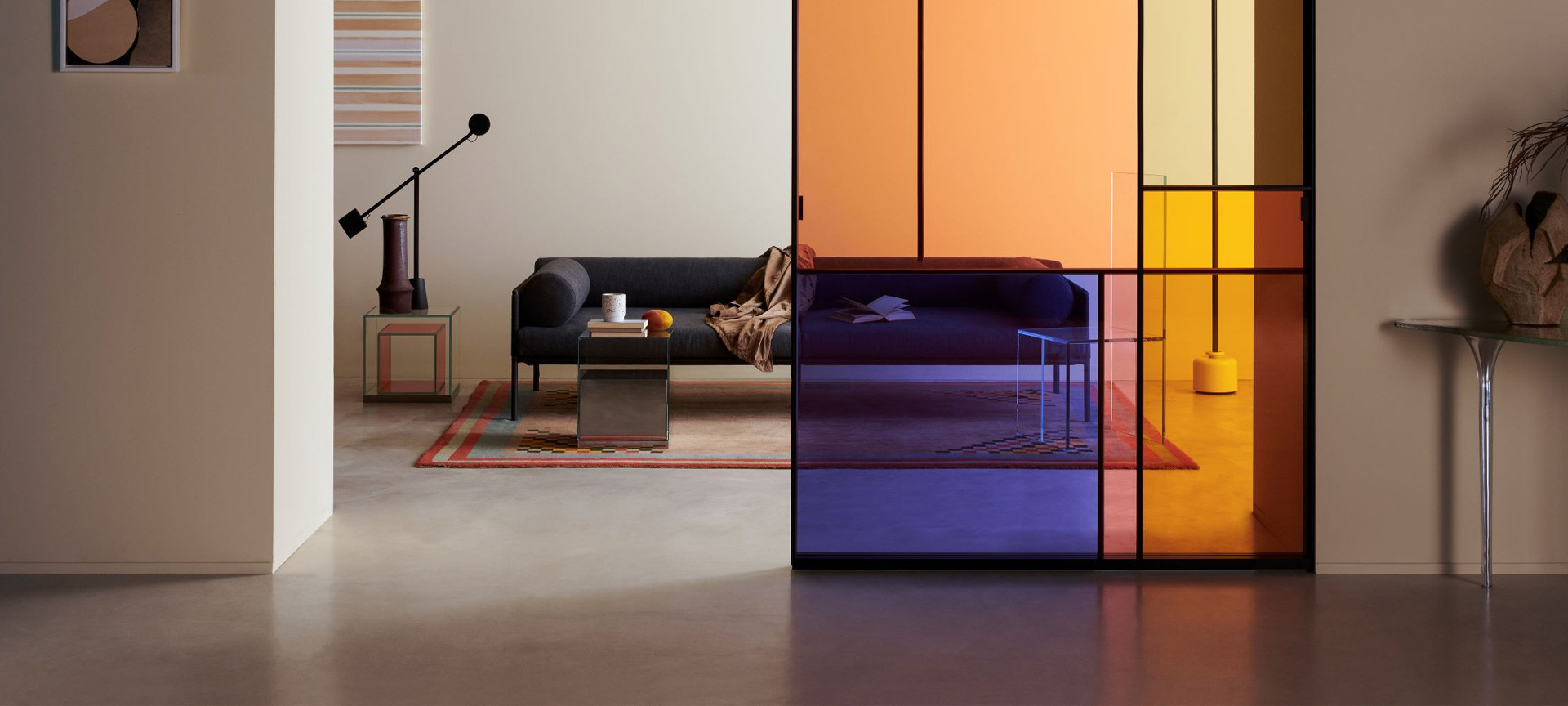
Glas Italia Doors
Sincro by Molteni & C - On request
Aria by Porada
For more flexible broken-plan options, moveable items such as pieces of furniture, folding screens or curtains can step in at a moment’s notice to transform one area into another. These quick zoning tricks maintain a space’s open and airy feel – with an added sense of purpose. The interior remains connected but with real, liveable options for when you need to create a private nook or separate teenager from toddler. Because often homes don’t need more rooms – just more considered spaces.
Room Dividers
Plinth Coffee Table by Audo
Prive Room Divider by Cattelan Italia