






The Designer's Guide to Getting Furniture Scale Right
We’ve all done it. Unboxed our latest dream furniture buy only to find it shrinks into the background making everything else feel gigantic or completely dominates the room and dwarfs its surrounds. Scale is so easy to overlook when you’re standing in a showroom or clicking through a gallery, but when it’s time to live with an object it quickly becomes clear that proportion is the very foundation of a room’s success.
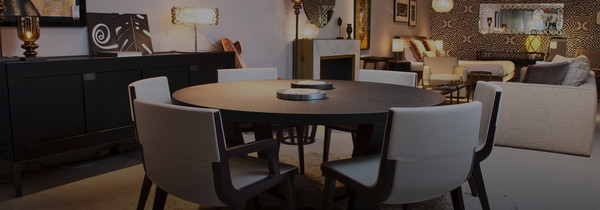
Ch24 Dining Chair
Before you buy, decide where you want your new chair/table/sideboard to sit, and have the area’s dimensions close by (aka on your phone). Sketch the room to scale, or use a digital planning tool, to precisely plot the space and existing elements footprints so you can see how it all works in relation to each other, so nothing ends up overwhelming or getting lost. Do not forget height! Low ceilings should be mirrored with low-slung furniture profiles to elongate the space, and choose designs that pull attention upwards for taller settings.
Archival Imagery
Calin Lounge Chair / Arco Floor Lamp
Papel Dining Table
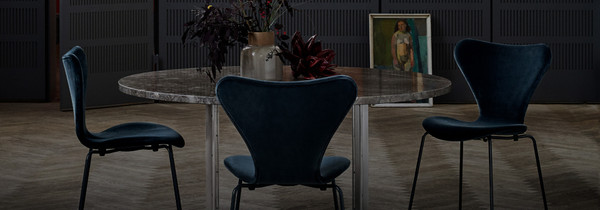
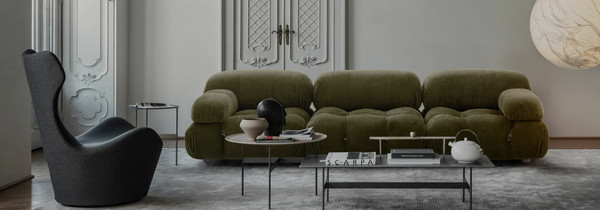
Interiors often benefit from hero pieces – a large luxury sofa, a set of elegantly upholstered dining chairs, a modern oak dining table – to set the tone. Supporting items should complement them rather than compete with them, and it’s ok to mix sizes (a little) to create rhythm and interest.
Florens Collection
Loafer Dining Chair
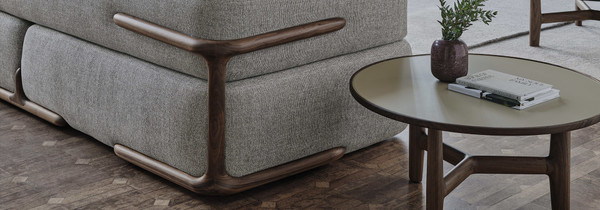
Emile Sofa
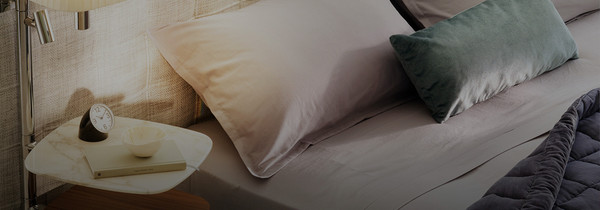
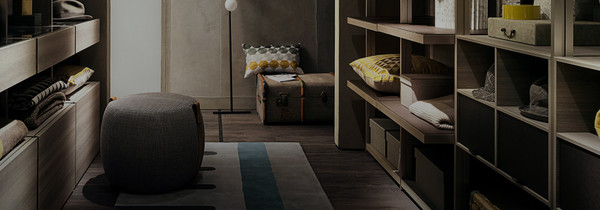
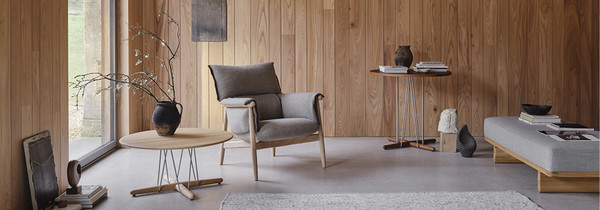
You’re creating an environment to spend time in, so the proportions should be comfortable to actually use – a side table should be within reach of an armchair and console tables should be slim enough to allow flow yet still have personality, for example. Allow each design breathing space (don’t cram it against a wall) so positioning feels curated and intentional. There should especially be enough clearance around beds, dining tables, and sofas.
Audo Collection
Zavolo Console
Youniverse Bed
Ultimately, trust your eye and instinct – stand back, assess the layout’s balance, and if something feels off, don’t be afraid to move pieces around (even if that wasn’t the original plan).