






Wood vs Marble: The Table Top Guide
The unique shapes and patterns provided by the natural world are the building blocks of furniture favourites found in every home. Fibres become our fabrics, sand becomes our glass, and most importantly (to me, dear reader) the myriad of marbles and timbers form our tables, big and small. Is there anything more beautiful than a table topped with intricately veined Calacatta, or the rich grain of an oak surface? But how do you choose between the two? Both are embodiments of design majesty, albeit for very different reasons.
What belongs where — and why does it belong there? What are the subtle (and not-so-subtle) differences between these material giants? Welcome to a heavyweight title fight: Wood vs Marble.
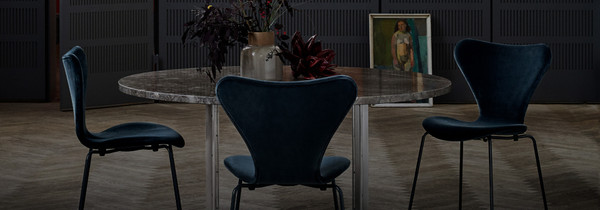
Muecke Collection by Knoll / After Series by Fritz Hansen
The Big Picture
Marble is synonymous with opulence. The palaces of antiquity were shaped by it, and modern spaces are not so different. Today, however, the material is used more internally than externally. It can be used to create truly unique, one-of-a-kind tables, with veins that can be traced through a seemingly indestructible surface; a kind of liquidity within the absolute. Meanwhile its wide variation of earthy finishes makes it a natural choice for countless settings: a master of standing out while fitting in. Marble is surprisingly versatile... for a rock.
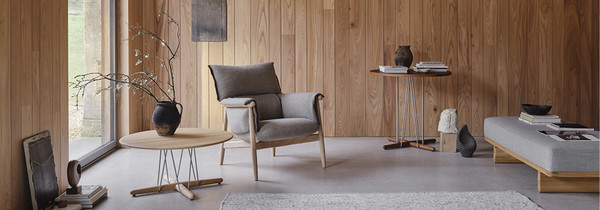
On the other side, wood tables are the original. Picture Goldilocks and her porridge. Medieval dining halls. One thing in common: wood. Their desirability comes from natural warmth, the soothing patterns of the grain, and the familiarity of a timber dining table — something many of us grew up with at home.
Magic Coffee Table by Bonaldo
Porada Collection
The making of the Oswood Table by Porada
Look and Feel
The physical texture of both materials is solid, strong and supportive. Wood with its subtle, story-telling imperfections and natural tactility brings an instant sense of comfort to a room. Marble by contrast is cool to the touch not just to the eye.
It’s what these materials evoke that truly sets them apart. Wood’s organic character offers a welcoming charm as you enter a space, as if inviting you to take a seat at the table or set down your Earl Grey. Marble, on the other hand, is sleek and dynamic, perfectly suited to moments that call for something a little more eye-catching.
Domingo Side Table by Cattelan Italia
Carl Hansen Collection
InToto Table by Maxalto
Durablity
“Solid as a rock,” as the old saying goes, marble is one of nature’s most durable materials. Highly resistant to temperature changes and capable of withstanding a significant amount of force, standing strong against the thrills and spills of a busy household — unless, of course, you’re holding a glass of wine. Depending on whether it has been pre-sealed, marble is incredibly porous, readily absorbing certain liquids that can leave rings or stains. Coasters, therefore, are an absolute must when entertaining. Or drinking alone. We don’t judge.
Wood, while lacking the innate strength of marble, is far more forgiving if something does go wrong. Scratches and chips are considerably easier to repair and for many the natural wear and tear of everyday use develops something that looks better nowhere else than on timber: character.
Beam Coffee Table by Van Rossum
Maxwell Table by Acerbis
Drop Leaf HM6 Dining Table by &Tradition
Ethical Consumption
As with the manufacture and transportation of anything in the modern world, both marble and wood come with environmental drawbacks. Because both are naturally occurring commodities, we have to look a little deeper than usual. Marble is generally less ecologically impactful to manufacture, but it is non-renewable and—unlike trees—cannot be regrown (not unless you’re prepared to wait a few eons). As such, it must be cared for with absolute diligence to ensure longevity.
Wood, while renewable through replanting, plays a far more significant role within our ecosystem. Forests support biodiversity, aid carbon absorption, and contribute to environmental balance, making responsible sourcing essential.
The answer? Shop brands with clearly defined eco-policies — those that make a genuine, vested effort to leave the planet better for having been part of their process. Look for commitments to tree replacement or CO₂ reduction, and manufacturers that provide aftercare guidance to extend the lifespan of each piece. Brands such as Gubi and Audo are excellent examples of these principles in practice.
Gubi TS Collection
Androgyne Dining Table by Audo
Adler by Draenert
Maintenance
One of the more closely matched categories in this comparison: both materials require a certain level of TLC. To maintain the prestigious look they offer, it’s best to use pH-neutral cleaners that won’t damage delicate surfaces. As mentioned previously, sealed marble provides far greater protection from the thrills and spills of a busy household, however, care is more about prevention than cure. Coasters and mats are an essential accessory.
Wood, on the other hand, is more forgiving. Surface-level scratches can be sanded out, a leg can be replaced, and a fresh layer of finish can be applied breathing new life into what may one day be considered a family heirloom. We’d also recommend a weekly wipe-down and limiting prolonged exposure to direct sunlight for certain timbers, helping to prevent bleaching over time.
Niobe Console by Zanotta
Wooden SIde Tables by Vitra
Oto Big Dining Table by Gallotti & Radice